
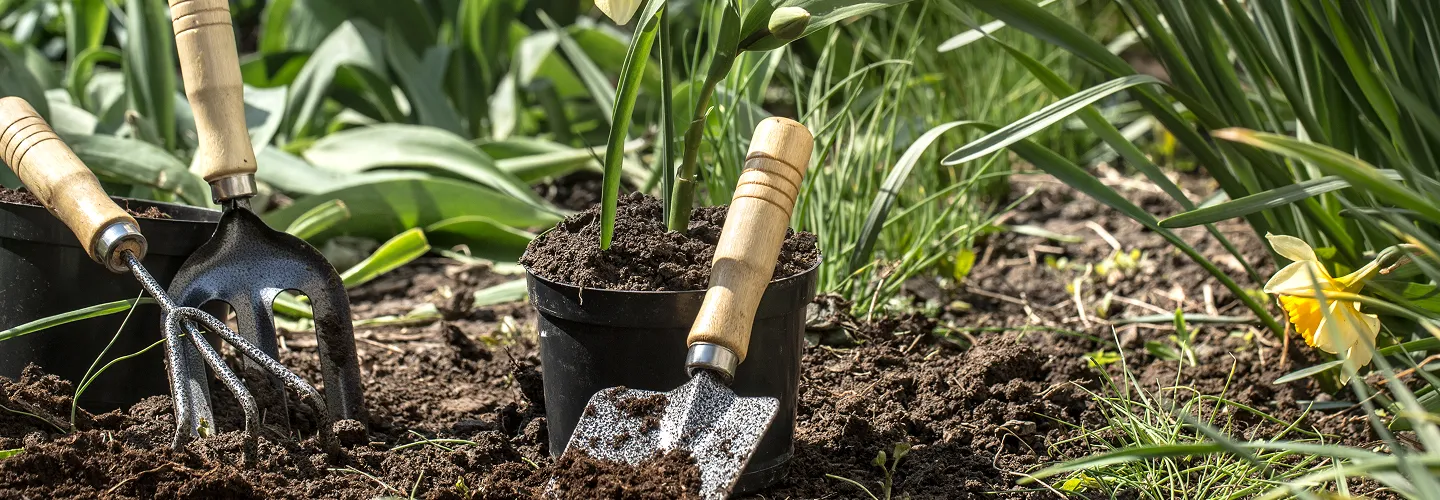
Cypress Weeding Services
Choose our professional weeding services for a healthier, more beautiful landscape—our experienced team removes unwanted growth efficiently, ensuring your plants thrive and your yard stays immaculate all season long.
Get a Free QuoteOur Cypress Landscaping & Yard Care Services
When to Schedule Weeding in Cypress, Texas – Seasonal Guide
In Cypress, Texas, the timing of weeding is crucial for maintaining healthy, attractive landscapes throughout the year. Thanks to our region’s humid subtropical climate, with hot summers and mild winters, weeds can thrive nearly year-round if not managed properly. The optimal periods for weeding are typically early spring and late fall, when soil moisture is higher and temperatures are moderate—making it easier to remove weeds by the root and prevent regrowth. Neighborhoods like Bridgeland and Towne Lake, with their mix of shaded lots and open lawns, often see weed pressure peak after the last frost date in February and again following summer rains.
Local environmental factors play a significant role in determining the best weeding schedule. For example, areas near Cypress Creek or those with clay-heavy soils may retain moisture longer, encouraging weed growth. Conversely, properties with dense tree canopies or in drought-prone pockets, such as those near Little Cypress Creek Preserve, may require more frequent monitoring. Homeowners should also be aware of municipal guidelines and seasonal restrictions, which can be found on resources like the Town of Sudbury website, to ensure compliance with local landscaping ordinances.
Local Factors to Consider for Weeding in Cypress
- Tree density and shade coverage
- Soil type (clay, sandy, or loam)
- Proximity to water sources (creeks, ponds)
- Seasonal precipitation and drought risk
- Neighborhood-specific landscaping guidelines
- Municipal restrictions on herbicide use
- Terrain and drainage patterns
Benefits of Weeding in Cypress

Professional Weed Removal
Enhanced Curb Appeal
Healthier Plant Growth
Eco-Friendly Landscaping Solutions
Time and Effort Savings
Long-Term Weed Prevention
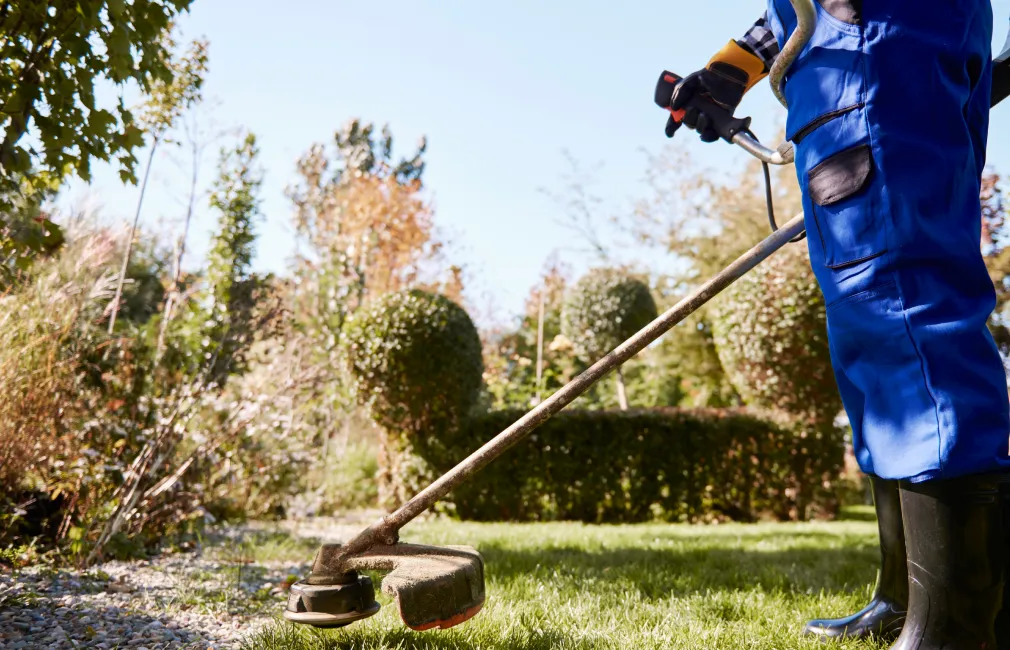
Cypress Weeding Types

Hand Weeding
-
Mulch Application
-
Pre-Emergent Herbicide Treatment
-
Post-Emergent Herbicide Application
-
Mechanical Weeding
-
Soil Solarization
-
Flame Weeding
Our Weeding Process
Site Evaluation
Weed Identification
Targeted Removal
Soil Treatment
Final Inspection
Why Choose Cypress Landscape Services
-
Cypress Homeowners Trust Us
-
Expert Lawn Maintenance
-
Reliable Scheduling
-
Competitive Pricing
-
Professional Team
-
Satisfaction Guarantee
-
Personalized Service
Soil Series and Drainage Considerations for Weeding in Cypress
Cypress is characterized by soils such as the Katy and Addicks series, which are heavy clay Vertisols with slow drainage and a tendency for compaction. These soils typically have a pH range of 7.0-8.0, requiring careful selection of weeding methods to avoid soil structure damage. For effective weed removal, mechanical extraction is recommended to a depth of 2-3 inches, especially in areas with dense clay. Soil testing through USDA Web Soil Survey or Texas A&M AgriLife Extension is advised to determine amendment needs. Key practices include:
- Avoiding weeding when soils are saturated to prevent compaction
- Incorporating 2-3 inches of compost to improve structure
- Maintaining a 25-foot buffer from wetlands and drainage ditches
Municipal Weeding Ordinances and Collection Protocols in Cypress
Weeding activities in Cypress must comply with local ordinances regarding debris management and equipment operation. The City of Houston, which administers many municipal services for Cypress, enforces the following standards:
- Equipment operation permitted Monday-Friday: 7:00 AM - 7:00 PM
- Saturday: 8:00 AM - 6:00 PM
- Sunday and holidays: Prohibited
- Yard waste collection occurs weekly on Thursdays, April through November
- Use biodegradable bags or 32-gallon reusable bins; plastic bags are prohibited Improper disposal of weeding debris, such as placing material in storm drains, is a violation of the city’s MS4 permit under the Clean Water Act. For guidance on collection schedules and compliance, contact:
Houston Public Works Department
611 Walker Street, Houston, TX 77002
Phone: (832) 395-2500
Official Website: Houston Public Works Department
Environmental Compliance: Stormwater and Buffer Zones in Cypress
Weeding near Cypress’s numerous bayous and drainage channels, such as Cypress Creek, requires strict adherence to environmental regulations. The Texas Commission on Environmental Quality (TCEQ) mandates a 25-foot no-disturbance buffer from wetlands and water bodies to protect water quality. The city’s MS4 permit prohibits the discharge of organic debris into stormwater systems. Best practices include:
- Maintaining vegetative buffers along water bodies
- Preventing soil and debris runoff during weeding
- Avoiding fertilizer or herbicide application within 50 feet of streams For further regulatory details, consult:
Texas Commission on Environmental Quality
12100 Park 35 Circle, Austin, TX 78753
Phone: (512) 239-1000
Official Website: Texas Commission on Environmental Quality
Seasonal Timing and Weather Considerations for Weeding in Cypress
Cypress falls within USDA Hardiness Zone 9a, with average annual minimum temperatures of 20-25°F. Optimal weeding periods are early spring (March 1 - April 30) and late fall (October 15 - November 30), when soil moisture is moderate and weed growth is most active. Avoid weeding during peak summer (June-August) due to heat stress and rapid weed regrowth. Monitor local weather through the National Weather Service Houston/Galveston Office for rainfall and temperature updates. Recommended timing:
- Spring: March 1 - April 30
- Fall: October 15 - November 30
- Avoid: June-August (heat, drought stress)
Professional Standards and Safety Protocols for Weeding Operations in Cypress
All weeding operations in Cypress must adhere to municipal safety and equipment standards. Operators are required to use:
- Eye protection: ANSI Z87.1 safety glasses
- Hearing protection: Earmuffs or plugs for equipment over 85 dB
- Footwear: Steel-toed, non-slip boots
- Gloves: Cut-resistant for manual removal, chemical-resistant for herbicide application Equipment must be commercial-grade and maintained with blades sharpened every 20-25 hours of use. Maintain a 15-foot clearance from overhead utilities and public walkways. For additional safety guidance, coordinate with:
Houston Parks and Recreation Department
2999 S. Wayside Drive, Houston, TX 77023
Phone: (832) 395-7000
Official Website: Houston Parks and Recreation Department
What Neighborhoods Do We Serve Throughout Cypress, TX?
- Bridgeland: Features expansive lots with compacted clay soils and extensive landscaping, requiring deep mechanical weeding and careful debris management due to HOA guidelines.
- Cypress Creek Lakes: Characterized by proximity to drainage channels and periodic flooding, necessitating strict buffer compliance and erosion control during weeding.
- Coles Crossing: Mature tree canopy and shaded lawns increase leaf litter and weed pressure, with additional attention to stormwater runoff and city collection schedules.
- Towne Lake: Waterfront properties with sandy loam soils and high water tables require specialized weeding to prevent sediment runoff into lakes and canals.
- Fairfield: Large suburban lots with heavy clay soils and frequent new construction, presenting challenges with soil compaction and access for equipment.
- Cypress Mill: Dense residential development with narrow access points and HOA restrictions on debris placement, requiring coordination for collection and compliance.
- Blackhorse Ranch: Golf course-adjacent properties with mixed soil types and strict landscaping standards, demanding precise timing and adherence to municipal noise ordinances.